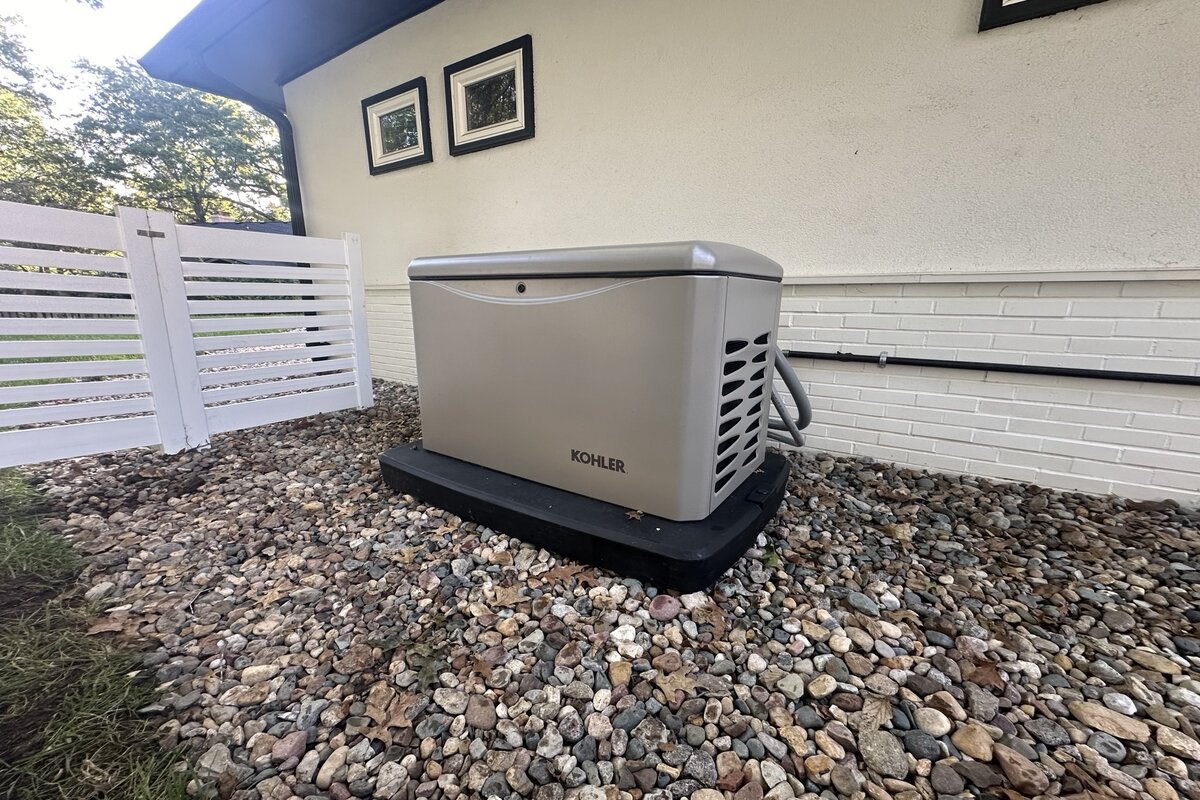
Power outages, remote work, camping trips, or even just powering tools on a far corner of your property – a reliable portable generator can be a game-changer. But when you start looking, the options can be overwhelming. If you’ve landed on the sweet spot of around 2000 watts, you’re on the right track for balancing power with portability and efficiency. This Buying Guide: Choosing the Right 2000 Watt Generator will walk you through everything you need to know to make a smart, confident decision.
We're going to cut through the jargon, highlight the crucial features, and help you understand what truly matters so you can pick a generator that perfectly fits your needs. Think of this as your expert friend giving you the inside scoop, without all the unnecessary technical mumbo jumbo.
At a Glance: Key Takeaways for Your 2000-Watt Generator Search
- Power is Key: Understand the difference between "running watts" (what it continuously supplies) and "starting watts" (the brief surge needed to kick-start appliances). Match these to your actual device needs.
- Fuel Matters: Gasoline is common, but battery/solar offers silence and zero emissions, while propane/natural gas provides longer shelf life.
- Portability vs. Power: Lighter models are great for camping; heavier ones might have more features for home backup. Look for wheels or sturdy handles.
- Inverter Tech for Electronics: If you're powering laptops, phones, or medical devices, an inverter generator is non-negotiable for clean, stable power.
- Noise Level: Measured in decibels (dB), quieter generators (50-60 dB) are much more neighbor-friendly.
- Safety First: Always prioritize features like CO sensors, low-oil shutdown, and GFCI outlets.
The Sweet Spot: Why a 2000-Watt Generator?
Many people start their generator search thinking "bigger is better." While higher wattage generators certainly have their place for whole-home backup, a 2000-watt generator often hits the perfect balance for a vast array of common needs. It’s powerful enough to run several essential appliances or tools simultaneously – think a refrigerator, a few lights, a phone charger, and a TV during an outage, or a portable grill and some speakers at a campsite.
Crucially, 2000-watt models often lean into portability and fuel efficiency, especially inverter types. They’re generally lighter, quieter, and produce cleaner power than their larger, conventional counterparts, making them incredibly versatile for everything from recreational use to crucial emergency backup.
Decoding Power: Running Watts vs. Starting Watts
Before you even glance at a model, you need to understand the fundamental difference between running watts and starting watts. This is where most people get tripped up, and it’s critical for ensuring your chosen generator can handle your intended load.
- Running Watts (or Rated Watts): This is the continuous power a generator can supply. It's the wattage your appliances need once they are already running. For example, a refrigerator might need 600 running watts.
- Starting Watts (or Peak/Surge Watts): Many motorized appliances (like refrigerators, air conditioners, or power tools) require a brief, extra burst of power to start up. This surge can be 2-3 times their running wattage. Once they're running, they drop back to their running wattage.
Your Action Plan:
- List all the devices you plan to power simultaneously.
- Find the running watts for each device.
- Find the starting watts for the device with the highest starting wattage.
- Add up all the running watts. This is your minimum continuous requirement.
- Add the highest starting watts to the total running watts of all other devices. This gives you your maximum surge requirement.
- Your chosen 2000-watt generator must meet both these numbers. Many 2000-watt generators will offer around 1600-1800 running watts and 2000 starting watts. If your calculations push past these, you might need to reconsider which devices you'll run at the same time, or look at models slightly above the 2000-watt threshold that still maintain portability, like some 2200-watt options.
For instance, the WEN 56200i offers 1600 rated watts and 2000 surge watts, making it suitable for a typical small load, while the Yamaha EF2200iS steps up slightly with 1800 running watts and 2200 starting watts, offering a bit more wiggle room.
Fueling Your Choice: Gasoline, Propane, Natural Gas, or Battery?
The type of fuel your generator uses profoundly impacts its operation, storage, and environmental footprint. Each has distinct advantages and disadvantages.
Gasoline Generators: The Common Workhorse
- Pros: Widely available, easy to refuel, generally lower upfront cost.
- Cons: Fuel has a limited shelf life (requires stabilizers), emissions, can be noisy, not safe for indoor use due to carbon monoxide.
- Best For: Most general outdoor use, emergency backup where gasoline is readily accessible.
Propane and Natural Gas (Dual-Fuel or Tri-Fuel)
- Pros: Cleaner burning (less maintenance), longer fuel shelf life (propane), natural gas is continuously supplied (if hooked up), lower emissions than gasoline.
- Cons: Propane tanks add bulk, natural gas models require a professional hookup, can be less fuel-efficient than gasoline.
- Best For: Extended emergencies (propane), home backup (natural gas), those seeking more versatile fuel options.
- Example: While larger, models like the Westinghouse 13500 Peak Watt Tri-Fuel Home Generator demonstrate the flexibility of multi-fuel options, running on gasoline, propane, or natural gas. This concept of fuel versatility can be found in smaller dual-fuel units too.
Battery-Powered Generators (Portable Power Stations)
- Pros: Silent operation (often 30 dB or less), zero emissions, safe for indoor use, instant power, often solar-rechargeable.
- Cons: Limited runtime (depends on battery capacity), can be expensive, long recharge times without solar.
- Best For: Camping, tailgating, indoor power (CPAP machines, medical devices), quiet zones, sensitive electronics.
- Example: The Jackery Solar Generator 2000 v2 Portable Power Station is a prime example, delivering 2200W continuous output from a 2042Wh LiFePo4 battery, operating silently at 30dB.
Your Fuel Decision: Consider what fuel is most accessible and storable for your typical use case. For occasional camping, gasoline might be fine. For home emergency preparedness, dual-fuel or a battery option could offer more peace of mind.
How Long Will It Run? Runtime and Fuel Tank Capacity
A generator's runtime tells you how long it can operate on a full tank (or charge) at a given load. This is a critical factor for convenience, especially during extended power outages or long camping trips.
- Runtime Varies with Load: Remember that manufacturers' stated runtimes are often at a quarter or half load. If you push the generator to full capacity, the runtime will be significantly shorter.
- Fuel Tank Size: A larger fuel tank generally means longer runtime for gasoline generators. For battery generators, a higher Watt-hour (Wh) capacity means longer runtime.
- Economy Modes: Many inverter generators feature an "Economy Mode" (like the Generac GP2500i) that adjusts engine speed to match the load, dramatically improving fuel efficiency and extending runtime at lower power demands.
Practical Tip: Always factor in fuel consumption when planning. For a gas generator, having extra fuel cans on hand is wise, ensuring they are stored safely and correctly. For battery stations, consider solar panels to extend usage indefinitely when off-grid.
On the Move: Portability and Size
A 2000-watt generator is usually chosen for its portability. But "portable" can mean different things.
- Weight: This is the most obvious factor. Models like the Jackery Solar Generator 2000 v2 at 39.5 lbs are notably lighter than many gas inverter generators, which often range from 40-60 lbs (e.g., WEN 56200i at 48 lbs, Yamaha EF2200iS at 55.2 lbs). The Generac GP2500i also weighs in at a manageable 48 pounds.
- Handles and Wheels: For anything over 40 pounds, sturdy carry handles are a must. Wheels, while less common on true 2000-watt models, become essential for heavier units.
- Footprint: Consider the physical dimensions. A compact generator is easier to store and transport in a vehicle.
Who Needs What: If you're frequently moving your generator between a shed, your car, and a campsite, prioritize a lighter model with ergonomic handles. If it’s mostly for home backup and stays in one place, a slightly heavier unit with more features might be acceptable.
Starting Up: Methods and Convenience
How you start your generator might seem minor, but it can be a big deal in an emergency or cold weather.
- Recoil Start (Pull Cord): The traditional method. Reliable but requires physical effort. Always good as a backup.
- Electric Start: A push of a button or turn of a key. Incredibly convenient, especially in cold weather or for those with limited physical strength. Requires a battery, which needs occasional charging/maintenance.
- Remote Start: The ultimate convenience. Start your generator from inside your home with a key fob. This feature is more common in larger, home backup generators like some Westinghouse models, but can be found in some advanced portables.
Your Preference: For sheer reliability, a recoil start is always there. For ease of use, electric start is a clear winner. If you're willing to pay for maximum convenience, remote start is great.
Staying Safe: Essential Safety Features
Generators produce power, and that comes with inherent risks. Modern generators come equipped with crucial safety features you should never compromise on.
- CO Sensors (Carbon Monoxide): Absolutely vital. Carbon monoxide is odorless and colorless. Features like Generac's COsense Technology automatically shut down the generator if hazardous CO levels are detected, protecting you from a silent killer.
- Automatic Low Oil Shutdown: Prevents engine damage by turning off the generator if oil levels drop too low.
- Overload Protection (Circuit Breakers): Prevents damage to the generator and connected appliances if too much power is drawn.
- GFCI (Ground Fault Circuit Interrupter) Outlets: Protects against electrical shock, especially important when operating in damp conditions.
- Fuel Gauge: For gasoline models, a clear fuel gauge helps you monitor levels and plan refueling.
- Enclosed Design: Many inverter generators have an enclosed design that not only reduces noise but also protects internal components from elements.
The Sound of Power: Noise Levels
Nobody wants a roaring engine ruining their camping trip or annoying the neighbors during an outage. Noise level, measured in decibels (dB), is a significant consideration for 2000-watt generators.
- Inverter Advantage: Inverter generators are generally much quieter than conventional open-frame generators. They often operate in the 50-60 dB range at 25% load, which is comparable to a normal conversation. The WEN 56200i, for example, operates at a quiet 53 dB.
- Battery Silent: Battery power stations, like the Jackery (30dB), are virtually silent.
- Context Matters: 50-60 dB is perfectly acceptable for camping or residential use. Anything above 70 dB will be noticeably loud and potentially disruptive.
Where You'll Use It: If your generator will be used in quiet campgrounds, residential areas, or for tailgating, a low dB rating is a top priority.
Plug and Play: Outlets and Connectivity
The number and type of outlets determine what you can power and how conveniently.
- Standard 120V AC Outlets: The most common type, essential for household appliances and tools. Most 2000-watt generators will have two or more.
- USB Ports: Increasingly common on inverter generators (e.g., Generac GP2500i, WEN 56200i), perfect for charging phones, tablets, and other small electronics without needing a bulky adapter.
- 12V DC Outlet: Often used for charging automotive batteries or running specific 12V appliances.
- RV Outlets (e.g., TT-30R): Some 2000-watt (or slightly higher, like the Yamaha EF2200iS) models will include a 30A RV-ready outlet, making them ideal for campers and RV owners.
- Parallel Capability: This feature allows you to connect two identical (or compatible) inverter generators to double your power output. This is a fantastic option if you anticipate needing more power occasionally but want the flexibility of two smaller, portable units.
- Transfer Switch Ready: While typically for larger home backup generators, some portable units offer transfer switch-ready outlets, making integration with your home electrical panel smoother (though a licensed electrician is always required for setup).
Match Your Needs: Count the devices you'll plug in and check their plug types. If you're looking for common, reliable brands, you might want to Explore Honda 2000 watt generators for their robust outlet options.
The Clean Power Advantage: Inverter Technology
If you're powering anything with a microchip – which is pretty much everything these days, from phones to fridges to medical equipment – you need an inverter generator.
- What it Is: Traditional generators produce "dirty" power with inconsistent voltage and frequency, which can damage sensitive electronics. Inverter generators convert the raw AC power into DC, then "invert" it back into clean, stable AC power, often with less than 3% Total Harmonic Distortion (THD).
- Why it Matters: Clean power is crucial for devices susceptible to voltage fluctuations, preventing damage and ensuring smooth operation.
- Beyond Clean Power: Inverter generators are also typically more fuel-efficient and significantly quieter because they can adjust their engine speed based on the power demand, rather than running at a constant high RPM.
Many top 2000-watt options like the WEN 56200i, Yamaha EF2200iS, and Generac GP2500i utilize inverter technology, making them the default choice for modern users.
When 2000 Watts Isn't Enough (and Why You Might Still Stick with It)
While this guide focuses on 2000-watt generators, it's worth acknowledging that some situations demand more power. Larger units like the Generac 10,000/8,000-Watt Portable Gas Generator (GP8000E) or the Westinghouse 14500 Peak Watt Tri-Fuel Portable Generator are designed for heavy-duty home backup, running multiple major appliances simultaneously (e.g., central AC, well pumps, entire kitchens).
However, these come with tradeoffs: significantly higher weight, louder operation, and much greater fuel consumption. For most people needing emergency power for essentials, powering a few tools, or enjoying comfortable camping, a 2000-watt inverter generator strikes an optimal balance of capability, portability, and efficiency. Don't overbuy if you don't need to.
Keeping Your Power Running: Basic Maintenance Tips
Once you've chosen your 2000-watt generator, a little ongoing care will ensure it serves you reliably for years.
- Read the Manual: This seems obvious, but every generator has specific maintenance schedules and requirements.
- Oil Changes: Regularly check and change the oil according to the manufacturer's recommendations.
- Fuel Management (Gasoline): Use fresh gasoline. If storing for more than a month, use a fuel stabilizer to prevent gumming up the carburetor. For long-term storage, drain the fuel tank or run it dry.
- Air Filter: Clean or replace the air filter periodically to ensure proper engine function.
- Spark Plug: Inspect and replace the spark plug as needed for efficient ignition.
- Battery (Electric Start): Keep the battery charged, especially if your generator has an electric start.
- Storage: Store your generator in a dry, well-ventilated area, away from living spaces. Always ensure it's cooled down before storing.
Frequently Asked Questions About 2000-Watt Generators
Q: Can a 2000-watt generator run a refrigerator?
A: Yes, most modern energy-efficient refrigerators can be run by a 2000-watt inverter generator. A refrigerator typically needs 600-800 starting watts and 100-200 running watts. Always check your specific fridge's wattage requirements.
Q: Is 2000 watts enough for camping?
A: Absolutely! A 2000-watt generator is often perfect for camping, powering lights, phone chargers, small appliances (coffee maker, fan), and even some RV amenities (if it has an RV-ready outlet).
Q: How much fuel does a 2000-watt generator use?
A: This varies significantly by load and generator model. An inverter generator running at a quarter load might use as little as 0.1-0.2 gallons per hour, while at full load, it could be 0.4-0.6 gallons per hour. Economy mode will further reduce consumption.
Q: Can I use a 2000-watt generator during a power outage at home?
A: Yes, for essential items. A 2000-watt generator can power critical devices like a refrigerator, some lights, a TV, and charge electronics. It's not designed for whole-house power (e.g., central AC, electric stove), but it's excellent for keeping essentials running.
Q: Are battery-powered 2000-watt generators better than gas ones?
A: It depends on your priorities. Battery generators are silent, emissions-free, and safe for indoor use, making them great for quiet areas or sensitive indoor applications. Gas generators typically offer longer continuous runtime (with refueling) and higher sustained power output for their size, but come with noise, emissions, and fuel storage concerns.
Your Power, Your Choice: Making the Final Decision
Choosing the right 2000-watt generator boils down to a clear understanding of your specific needs and priorities.
- What will you power? Create that wattage list.
- Where will you use it? Indoors, quiet campground, job site? This dictates fuel type, noise, and portability.
- How often will you use it? Frequent use might warrant higher durability and fuel efficiency.
- What's your budget? While quality comes at a price, there are excellent options across various price points.
By considering power output, fuel type, runtime, portability, safety features, noise level, and the crucial inverter technology, you're now equipped to sort through the options with confidence. A 2000-watt generator is a versatile, powerful tool that can provide peace of mind and convenience in a variety of situations. Make an informed choice, and enjoy the reliable power your new generator will bring.