When the lights go out, a portable generator can be a lifesaver, keeping your home warm, your food cold, and your devices charged. But this powerful convenience comes with significant risks if not handled correctly. Mastering the Safe Operation & Storage of Portable Generators isn't just about following instructions; it's about understanding the core hazards and developing habits that protect you, your family, and your property. Think of it as befriending a powerful tool: respect its capabilities, understand its quirks, and you’ll reap its benefits safely.
At a Glance: Your Generator Safety Cheat Sheet
- Always Outdoors: Run generators only outside, far from windows and doors, to prevent carbon monoxide poisoning.
- Cool Down Before Refueling: Gasoline is volatile; let the generator cool completely before adding fuel.
- No Backfeeding: Never plug a generator directly into your home’s main electrical panel. Use a transfer switch installed by a qualified electrician.
- Dry Conditions Only: Keep your generator dry and use appropriate extension cords.
- Read the Manual: Your owner's manual is your best friend for specific model instructions.
- Proper Fuel Storage: Keep gasoline in approved, labeled containers, away from your home and ignition sources.
Understanding the "Why": The Big Three Generator Hazards
Before we dive into the "how," let's truly grasp why these precautions are so critical. Portable generators, while indispensable, are essentially miniature power plants carrying three primary dangers: an invisible killer, highly flammable fuel, and potent electricity.
The Silent Threat: Carbon Monoxide (CO) Poisoning
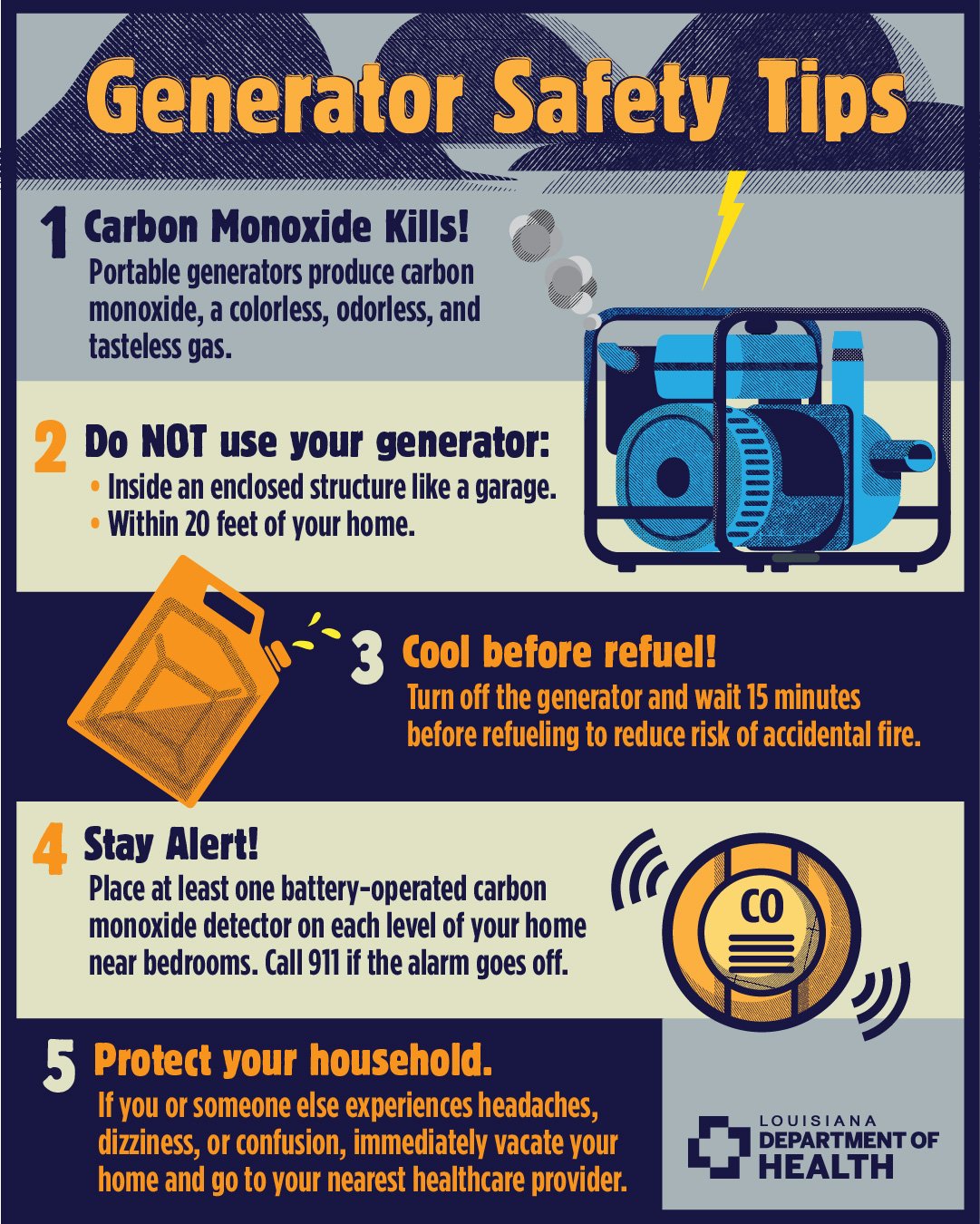
Generator exhaust, much like car exhaust, contains carbon monoxide. This gas is colorless, odorless, and tasteless, making it incredibly deceptive and lethal. Even a small amount of CO can build up to dangerous levels in enclosed or partially enclosed spaces, leading to brain damage or death in minutes.
Your Action Plan Against CO:
- Outdoor Use is Non-Negotiable: This is the golden rule. Always run your generator outdoors.
- Distance is Your Ally: Position the generator at least 20 feet (6 meters) from your home, garage, or any other building. Ensure its exhaust is directed away from windows, doors, vents, and other openings that could allow fumes to seep inside.
- Mind Your Neighbors: Consider your neighbors' proximity and their windows too.
- CO Detectors Are Essential: Install battery-operated or battery back-up CO detectors on every level of your home, especially near sleeping areas. Test them regularly and replace batteries annually. If your CO detector alarms, get everyone out of the house and call 911 immediately.
- Recognize the Symptoms: Early signs of CO poisoning include headaches, dizziness, nausea, and fatigue. These can be mistaken for the flu. If you feel these symptoms while a generator is running, get to fresh air immediately.
Taming the Flames: Fire Hazards and Fuel Safety
Generators run on gasoline, a highly flammable and explosive substance. Handling fuel carelessly or operating a generator near ignition sources turns a convenience into a potential catastrophe.
Preventing Fire and Explosions:
- Fuel Far from Heat: Keep your generator, and especially its fuel, well away from open flames, pilot lights, sparks, or anything that could ignite fuel vapors. Remember, vapors can travel.
- Cool Down Completely Before Refueling: This is paramount. A hot engine can ignite spilled gasoline or its vapors. Always shut down the generator and let it cool for at least 15-20 minutes before attempting to refuel. Think of it like a car engine after a long drive – you wouldn't pour gas on it immediately.
- No Overfilling: Fill the fuel tank carefully, leaving a little room for expansion. Spilled fuel on a hot engine is a direct fire risk.
- Refuel Outdoors: Always refuel in a well-ventilated outdoor area, never inside a garage or shed.
- Approved Fuel Storage: Store gasoline in specially designed, approved fuel containers (look for UL or similar safety ratings). These containers are designed to minimize spills and safely vent pressure.
- Cool, Dry, and Away: Keep fuel containers in a cool, dry, well-ventilated location, safely away from your home and any potential ignition sources (furnaces, water heaters, power tools, etc.). A separate shed is ideal. Never store fuel inside your house.
- Manage Extension Cords: Overloaded or damaged extension cords can overheat and cause fires. Use heavy-duty, outdoor-rated extension cords (12 or 10 gauge, depending on the load) that are long enough to reach your appliances without being stretched tight. Always check the cord's wattage rating against the appliance's requirements.
Electrical Shocks and Damage: The Invisible Current
Electricity, while indispensable, demands respect. Mishandling a generator's electrical output can lead to severe shocks, electrocution, damage to your home's wiring, and even endanger utility workers.
Safeguarding Against Electrical Hazards:
- Stay Dry: Never operate a generator in rain, snow, or on wet ground. Moisture and electricity are a deadly combination. If you must use it in damp conditions, ensure it's protected by a canopy or cover that doesn't restrict airflow.
- No Backfeeding – Seriously: This is arguably the most critical electrical safety rule. "Backfeeding" means plugging your generator directly into a wall outlet in your home. This bypasses your main electrical panel's safety features and sends power back into the utility grid. If a utility worker is repairing lines, they could be electrocuted by the unexpected power coming from your generator.
- Invest in a Transfer Switch: The only safe and legal way to connect a portable generator to your home’s electrical system is through a properly installed manual transfer switch. A qualified, licensed electrician must install this device. It isolates your home from the utility grid, preventing backfeeding and protecting everyone.
- Grounding: Your generator likely needs to be properly grounded according to the manufacturer's instructions. This usually involves connecting it to a grounding rod. Consult your owner's manual for specific details.
- GFCI Outlets: Many newer generators come with Ground Fault Circuit Interrupter (GFCI) outlets. These automatically shut off power if there's a ground fault, significantly reducing the risk of electrical shock. If your generator doesn't have them, consider using GFCI-protected extension cords when possible.
- Inspect Cords and Plugs: Regularly check extension cords and generator plugs for fraying, cracks, or damage. Replace them immediately if found.
Before You Start: Essential Pre-Operation Checks
Think of this as your generator's pre-flight checklist. A few minutes of preparation can save hours of trouble and ensure safe operation.
- Read the Owner's Manual: This isn't a suggestion; it's mandatory. Every generator model has unique specifications, safety features, and operating procedures. Your manual is the ultimate authority for your specific unit.
- Location, Location, Location: Reconfirm your outdoor, well-ventilated setup, far from any openings.
- Check Fluid Levels: Ensure the oil and fuel levels are correct. If you need to add fuel, do so only when the generator is off and cool.
- Inspect for Damage: Quickly check for any loose wires, damaged cords, leaks, or obstructions. Make sure air intake and exhaust vents are clear.
- Grounding (If Required): Confirm your generator is properly grounded as per the manufacturer's instructions.
- Load Management: Plan which appliances you'll power. Never overload the generator; consult its wattage ratings for both running and starting watts.
Fueling Up: The Art of Safe Refueling
Refueling is one of the riskiest parts of generator operation. Adhering to these steps will minimize hazards.
- Shut it Down: Turn off the generator completely.
- Let it Cool: Allow the engine to cool down for at least 15-20 minutes. A hot engine is a fire waiting to happen if gasoline spills.
- Outdoors and Away: Always refuel outdoors, in a well-ventilated area, away from any ignition sources.
- Use a Funnel: A funnel can help prevent spills.
- Don't Overfill: Fill the tank to the recommended level, leaving space for fuel expansion. Secure the cap tightly.
- Clean Spills Immediately: Wipe up any spilled fuel completely before restarting the generator.
- Gloves and Eye Protection: Consider wearing fuel-resistant gloves and eye protection to prevent skin contact and splashes.
Powering Your Essentials: Connecting and Operating
Once your generator is safely placed and fueled, it's time to connect your appliances.
- Plug Directly into Generator Outlets: For most items, simply plug their cords directly into the generator's onboard outlets.
- Use Appropriate Extension Cords: For items further away, use heavy-duty, outdoor-rated extension cords that can handle the load. Ensure the cord is intact, without cuts or fraying.
- Avoid Overloading: Connect appliances one at a time, starting with the most essential. Monitor the generator's output and listen for signs of strain. Overloading can damage the generator and the connected appliances.
- Monitor Operation: Periodically check the generator during operation for unusual noises, vibrations, or smells. Ensure it's not overheating. Remember, generator components get hot during operation; avoid direct skin contact.
- Child Safety: Keep children and pets away from the operating generator. Its moving parts and hot surfaces are dangerous.
- Don't Run Indoors: This bears repeating. Never, ever run a generator in a garage, basement, or any enclosed space, even with doors and windows open.
Looking for a compact, reliable option? Many homeowners Explore Honda 2000 Watt Generators for their quiet operation and fuel efficiency, making them a popular choice for emergency backup or recreational use.
The Long Haul: Safe Storage and Maintenance
Proper storage and regular maintenance extend your generator's life and ensure it's ready when you need it most.
Preparing for Storage
When you're done using your generator for an extended period, don't just put it away. Proper storage prevents damage and ensures it starts reliably next time.
- Drain the Fuel: Gasoline can degrade over time, gumming up the carburetor and fuel lines. It's best to drain the fuel tank completely or run the generator until it's out of fuel. Alternatively, use a fuel stabilizer if you plan to store it with fuel for a shorter duration (check your manual for guidance).
- Disconnect the Spark Plug Wire: This is a crucial safety step to prevent accidental starting while you're cleaning or moving the unit. Simply detach the wire from the spark plug.
- Clean It Up: Wipe down the generator, removing any dirt, debris, or oil residue. Clean air filters if needed.
- Change the Oil: It's good practice to change the oil before long-term storage. Refer to your manual for recommended oil change intervals.
- Cover It: Use a generator cover to protect it from dust, moisture, and pests.
Storage Location
- Dry and Ventilated: Store your generator in a dry, well-ventilated area, such as a shed or garage.
- Away from Living Spaces: Even with fuel drained, residual fumes can pose a risk. Store it away from your main living areas.
- Secure: Keep it out of reach of children.
Regular Maintenance
Beyond storage, generators need periodic love to stay in top shape.
- Follow the Manual's Schedule: Your owner's manual will outline a maintenance schedule for oil changes, spark plug replacement, air filter cleaning/replacement, and general inspection. Stick to it.
- Inspect Regularly: Before and after each use, give your generator a visual inspection for any signs of wear, damage, or loose components.
- Authorized Repairs: If you encounter a problem beyond basic maintenance, take your generator to an authorized dealer or a qualified repair technician. Attempting complex repairs yourself can be dangerous and may void your warranty.
Dispelling Common Myths & Answering FAQs
"Can I run my generator in the garage with the door open?"
Absolutely NOT. Even with the garage door open, carbon monoxide can build up to lethal levels. The fumes can also easily drift into your home through open doors, windows, or vents. Generators must be operated outdoors, far from any structure.
"What kind of extension cords should I use?"
Always use heavy-duty, outdoor-rated extension cords designed for the wattage of the appliances you're powering. Look for 12-gauge or 10-gauge cords for high-wattage items, and ensure they are long enough to reach without straining. Never use damaged or indoor-only cords.
"How much fuel should I store?"
Store only a reasonable amount of fuel that you expect to use within a few months, as gasoline degrades over time. Always use approved, labeled containers and store them away from your home and ignition sources. Rotate your fuel supply by using older fuel in vehicles (if appropriate) and replenishing with fresh fuel.
"Is an inverter generator safer?"
Inverter generators often produce cleaner power, are quieter, and more fuel-efficient, but they are not inherently safer from hazards like carbon monoxide, fire, or electrical shock. All the same safety precautions for conventional portable generators apply to inverter generators. Their primary safety benefit comes from often having more advanced electrical protection systems and sometimes being easier to ground.
"Can I just run my fridge off the generator?"
Yes, you can run a refrigerator or freezer by plugging it directly into the generator with an appropriate extension cord. Be mindful of the starting wattage of your fridge (it's often higher than its running wattage) to ensure your generator can handle the initial surge.
Your Power, Your Responsibility
Portable generators offer incredible peace of mind during outages, but that power comes with a significant responsibility. By understanding the risks of carbon monoxide, fire, and electrical shock, and by consistently following safe operation and storage practices, you transform a potential hazard into a reliable, safe source of emergency power. Make these safety measures a habit, and you'll confidently navigate any power disruption that comes your way. Stay safe, stay powered.